
Loose Stone on Chip Seal Drives Around Bryan
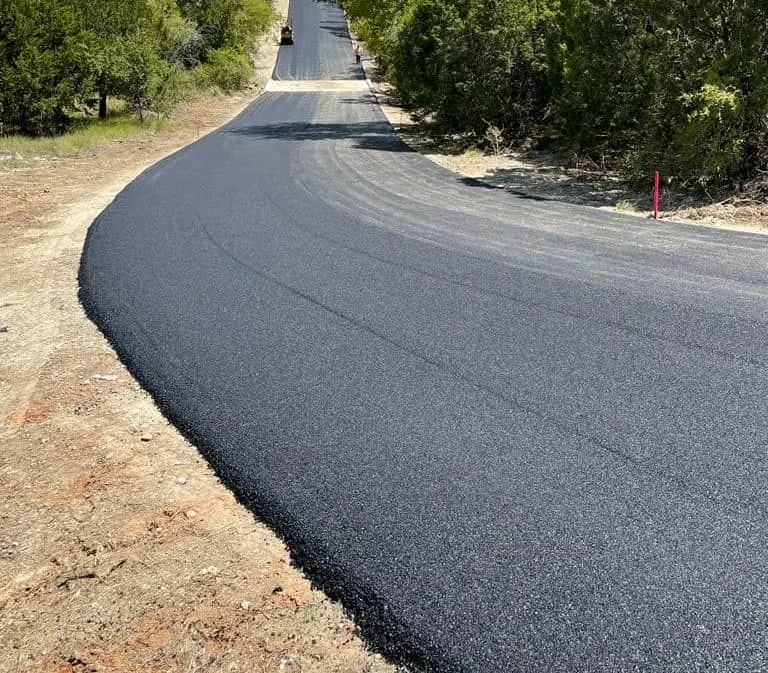
Yes, some loose stone after chip seal is normal. A fresh surface usually sheds a handful of chips in the first days and weeks, especially along edges and where tires turn. If you own a drive near Bryan, Anderson or Bedias, the question is not whether any stone comes loose. It is whether the same spots keep losing coverage.
What loose stone can be normal after chip seal
Chip seal, also called tar and chip, is a layer of liquid binder (the sticky asphalt that glues everything down) with crushed stone rolled into it. Not every chip seats fully. Some land on top of other chips, and some barely touch the binder. Those extras tend to roll off under the first rounds of traffic.
You will often see a light scatter of loose stone along the shoulders, at the end of the drive, or where the surface meets the road. That is excess material finding its way out. The surface underneath should still look evenly covered, with chips packed tightly together.
The pattern is what matters. Scattered stone that thins out over time is one thing. Bare, dark patches of binder, or a wheel path that keeps getting thinner, is something else.
| What you see | Usually normal? | What to do |
|---|---|---|
| Light scatter of loose chips on the edges | Often yes | Keep an eye on it as the surface settles |
| Loose chips that become fewer each week | Often yes | Follow your contractor's care instructions |
| Bare patches that keep growing | Worth a look | Note the spot and ask for an inspection |
| Chips lifting in the same wheel path again and again | Worth a look | Photograph it and call your contractor |
| Sticky binder showing through | Worth a look | Stay off the area and ask for guidance |
Why chips may keep moving
The binder is what holds the stone in place as it cures, meaning it firms up and bonds to the chips. If the binder and stone do not bond well, chips keep letting go. Three things drive that outcome: how well the surface was prepared, how evenly the binder was applied, and how deeply the stone was pressed into it.
Preparation matters because binder can only grip what is solid underneath. A soft or uneven base, or a surface with dust and loose material on it, gives the binder a poor footing. Coverage matters because a thin streak of binder leaves chips sitting with little to hold them. Embedment is the final step, where rolling seats the stone into the binder so it locks together.
Traffic also plays a part. Sharp turns, hard braking and tight turning circles push chips sideways before they have fully set. A drive that climbs to the street or has a tight turnaround often shows more movement in those spots than a straight, flat run. That is a condition to check on your own property, not a promise about any particular drive.
How to care for a new chip seal drive
Start with the instructions your contractor gives you for your job. Traffic timing differs depending on the binder, the stone and the weather, so most crews give you a window before cars can use the drive and a gentler period after that. For a general sense, many crews ask owners to wait a day or two before regular traffic, but follow what you were told for your surface.
- Keep traffic off until you are told the surface is ready.
- Drive slowly for the first stretch, and keep speeds low on turns.
- Avoid sharp turns with the wheel cranked while the car is stopped, and avoid hard braking.
- Park in a different spot now and then so one set of tires does not sit on the same chips.
- Keep heavy loads, trailers and equipment off until you have asked.
- Ask before you sweep or add material. A stiff broom can pull up chips that are still setting.
If you have loose stone piling up in one place, resist the urge to rake it back across the surface. Spreading it around does not bond it to anything. Ask first, since the right fix depends on how the surface is curing.
How we look at it for Bryan, Anderson and Bedias
Owners around Bryan often have a mix of residential drives and longer rural approaches, and the advice is the same for both: watch the pattern, not a single chip. If you are out near Anderson or Bedias, and your drive is a long rural run, check where water crosses it, since standing water and runoff can work on the edges of a new surface.
Every property has its own base. If your drive sits on clay, or on a low spot that stays wet, the surface can behave differently from a drive on firm, well-drained ground. We do not assume the same conditions from one lot to the next, and you should not either. Reading what your own drive is doing tells you more than a general rule.
For a closer look at how the work is done, see our pages on chip seal paving, tar and chip paving and a chip seal driveway.
Texas weather and when to ask for a check
South and Southeast Texas winters are usually mild, but cold fronts and rain in November and December can change how a surface cures. Cooler, damp weather generally slows the binder from firming up, so chips can take longer to settle than they would in warmer, drier months. There is no single cure schedule for every job, so follow the guidance for your surface.
If stone keeps moving after the first few weeks, do a quick walk of the drive and write down what you find:
- Note where the loose stone shows up, such as the edges, the turnaround, or a wheel path.
- Check whether the same spots keep losing chips after traffic.
- Look for bare or glossy binder where stone should be.
- Take a few clear photos in daylight and record roughly when you first noticed it.
- Send that to your paving contractor and ask them to inspect those areas.
That list gives a crew something concrete to evaluate instead of a general worry. It also helps separate normal settling from a spot that needs attention.
If you have a new chip seal drive that is shedding stone and you want someone to look at it, or you are planning a new one, we offer a Free Estimate.
Common questions
Is loose stone normal after chip seal?
Some loose stone is normal while the surface settles, mostly excess chips that never seated in the binder. Stone that keeps coming off the same area, or leaves bare patches, is worth having inspected.
How do I care for a new chip seal driveway?
Follow your contractor's instructions for when traffic can return. After that, drive slowly, avoid sharp turns and hard braking, and ask before sweeping or adding stone.
Why is stone coming loose from my chip seal drive?
Chips come loose when they did not embed well in the binder, or when traffic and weather work on them before the binder cures. Preparation, binder coverage and how deeply the stone was seated all affect how well chips stay put.
Topics
Areas we serve
Our services
Have a question about your project? Call (361) 645-7270